
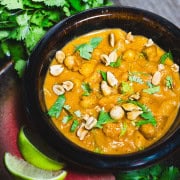



If you've ever struggled with overcooked or dry fish, this Sous Vide Yellowtail Fish Recipe with fennel and leeks is your solution. This foolproof sous vide fish method delivers tender, flaky yellowtail with a rich, delicate texture that's perfect for a dinner for two. White sauce on fish? Absolutely. This fish pairs beautifully with a fennel and leek broth based sauce. That's right no cream it's light, aromatic, and brightened with a touch of citrus for just the right balance.
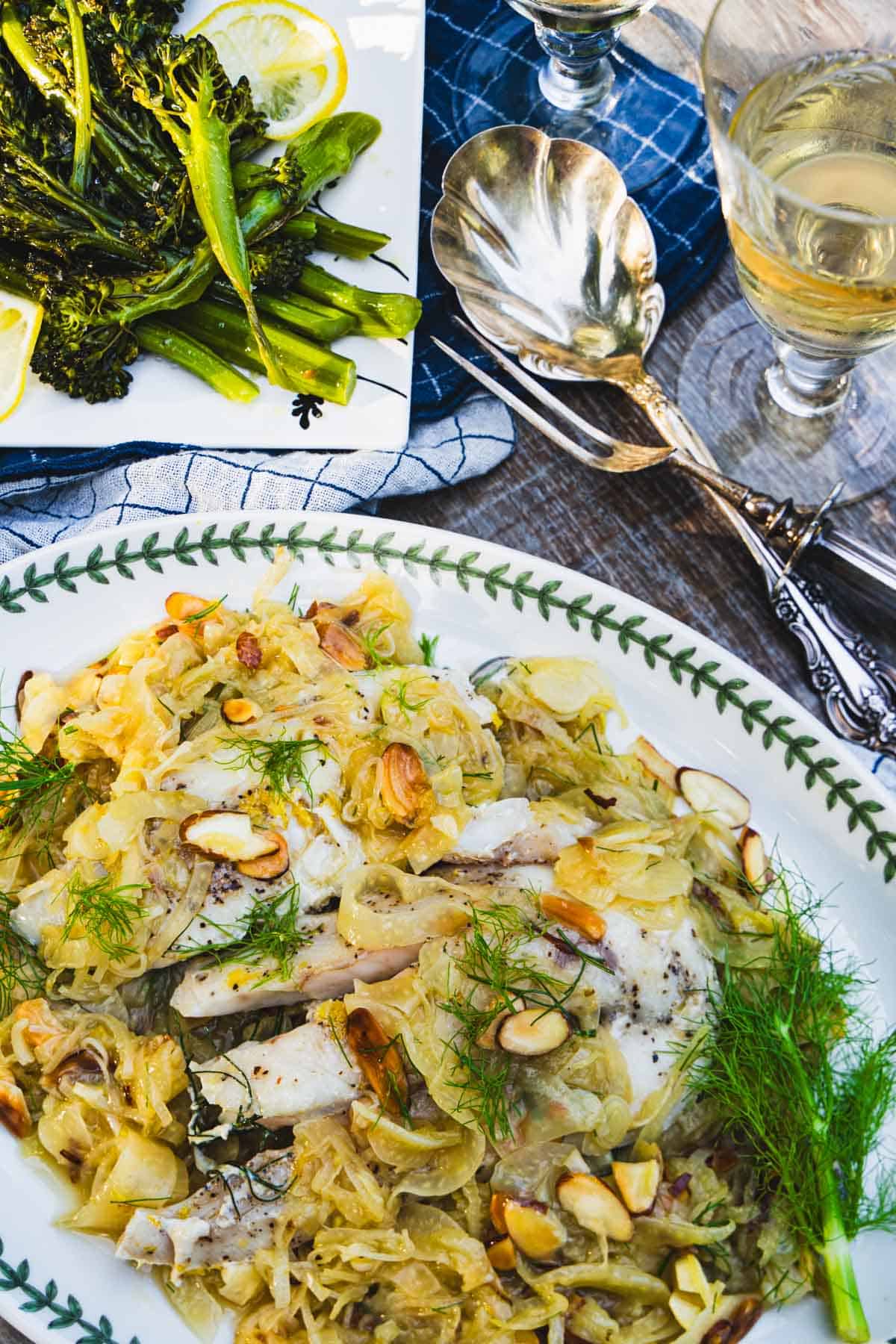
Don't have yellowtail? This same recipe and method works beautifully with flounder and salmon too. Just be sure to check out my sous vide temperature and time chart below for each type of fish.
Jump to:
- What Is Yellowtail? (And How It Differs from Yellowfin)
- What's the Best Way to Enjoy Yellowtail Fish?
- Why Sous Vide Works for Yellowtail
- The Best Sous Vide Fish Temperature for Yellowtail, Flounder and Salmon
- Fish Temperature and Time Chart
- Should I Add Fat?
- Sous Vide Fish Ingredients
- Equipment (and What It's For)
- How to Sous Vide Fish: Step-by-Step
- Water displacement method
- Serving Suggestions
- Share your thoughts
- Common questions about this recipe
- Related
- Sous Vide Yellowtail with Fennel & Leek White Sauce Recipe
- Skin On or Skin Off?
- my new cookbook is here!
What Is Yellowtail? (And How It Differs from Yellowfin)
Yellowtail is a mild, slightly sweet white fish with a delicate texture that flakes beautifully when cooked just right. It's often confused with yellowfin, but the two are actually quite different:
- Yellowtail (also known as Japanese amberjack) is a white fish with a buttery flavor. It's commonly enjoyed cooked or raw in Japanese cuisine.
- Yellowfin, on the other hand, is a species of tuna. It's leaner, meatier, and served medium-rare or raw in dishes like sashimi or seared tuna.
While yellowfin is firm and steak-like, yellowtail is more tender and delicate, which makes it prone to drying out or falling apart if not cooked gently. In fact, grilling-an option that works well for tuna-isn't recommended for yellowtail, as it's likely to break apart on the grates. That's why sous vide is such a game-changer: it lets you cook this delicate fish precisely and gently, with no risk of overcooking or losing that buttery texture.
What's the Best Way to Enjoy Yellowtail Fish?
There's no single "right" way to enjoy yellowtail-this fish is versatile and delicious in so many preparations. You might see it served raw in sushi or sashimi, lightly cured, or gently cooked like we do here with this sous vide yellowtail recipe.
Because of its delicate texture and clean, buttery flavor, yellowtail shines when paired with subtle, aromatic ingredients-like our leek and fennel white sauce on fish.
No matter how it's served, the key to enjoying yellowtail is savoring the nuance-whether you're eating it raw or making it gently cooked and flaky with sous vide.
Why Sous Vide Works for Yellowtail
Because of yellowtail's delicate nature, traditional cooking methods can easily result in overcooked or uneven texture. Sous vide fish solves that.
Why it works:
- You get perfectly cooked fish from edge to center-never dry.
- The water bath holds a precise temperature, eliminating guesswork.
- You can dial in your ideal texture and replicate it every time.

The Best Sous Vide Fish Temperature for Yellowtail, Flounder and Salmon
I tested this yellowtail recipe at three different temperatures-125°F, 130°F, and 135°F-and can confidently say: 130°F is the sweet spot.
At 130°F, the yellowtail is:
- Tender but still flaky
- Moist, with a buttery bite
- Easy to plate and enjoy
Unlike tuna or steak, where doneness varies by preference, When cooking yellowtail is best when flaky and not dry - and 130°F nails it.
Fish Temperature and Time Chart
| Fish | Temperature | Time (Fresh) | Time (Frozen) | Texture Result |
| Yellowtail | 130°F (54°C) | 30 minutes | 45 minutes | Flaky, moist, and delicate |
| Flounder | 130°F (54°C) | 30 minutes | 45 minutes | Very tender, delicate, slightly firmer |
| Salmon | 125°F (52°C) – soft 130°F (54°C) – flaky | 30–45 minutes | 45–60 minutes | Buttery at 125°F, flakier at 130°F |
💡 Tip: Always preheat your sous vide water bath before adding the fish, and use a vacuum-sealed or zip-top bag with air removed for best results.
Should I Add Fat?
Yes-fat helps preserve flavor and texture while cooking sous vide. You can use butter or olive oil.
With delicate fish, I also generally like adding a few aromatics to help nudge the flavor along. Most often, I reach for a few fennel fonds and even add some orange and lemon zest. Adding fat to the bag can help the flavor from these aromatics spread around the salmon more easily.
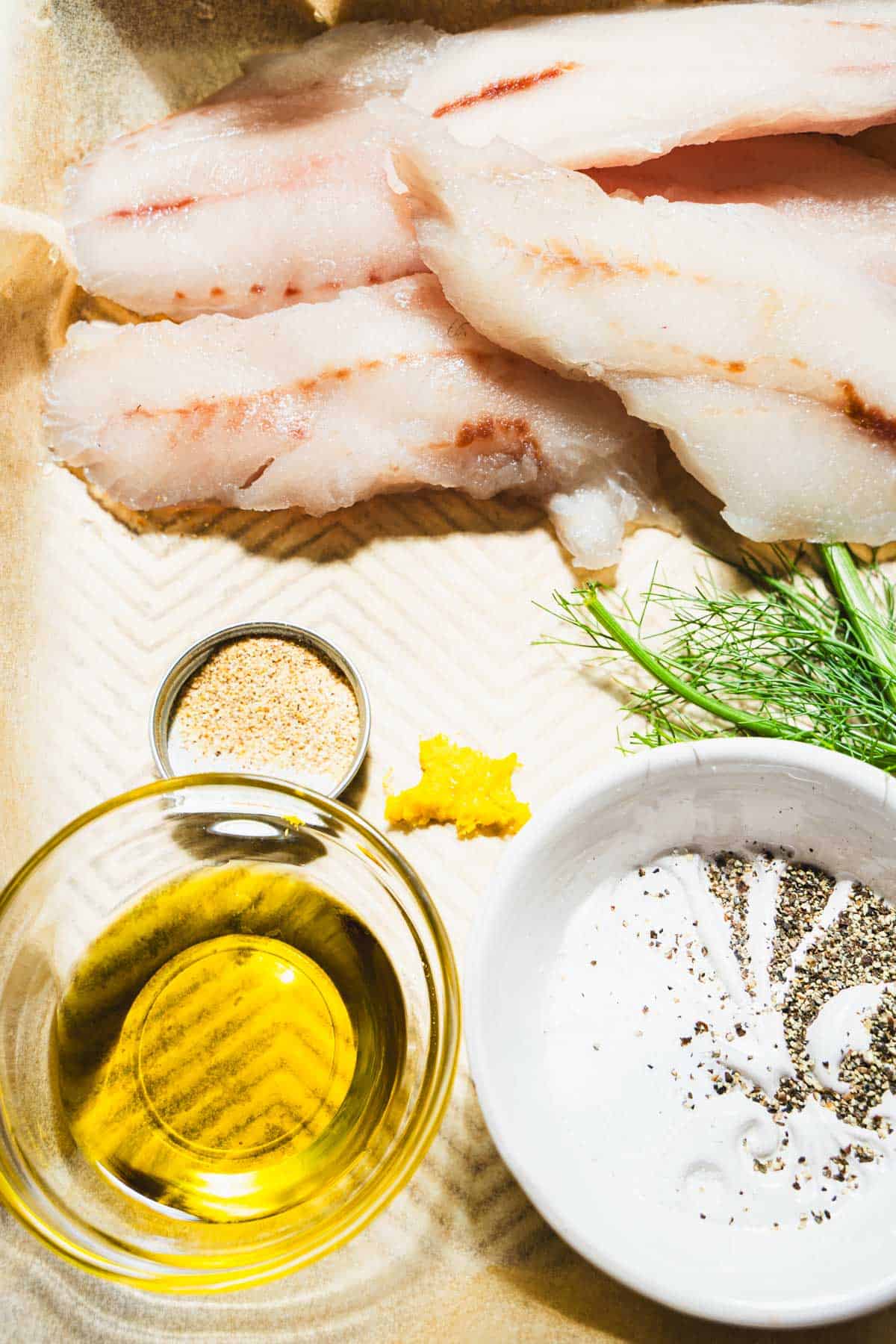
For this recipe, I went with olive oil, plus:
- Garlic powder
- Kosher salt
- Freshly ground black pepper
- Grated orange zest
- Fennel fonds
Sous Vide Fish Ingredients

- Yellowtail fillets (or substitute with flounder or salmon)
The star of the show! Yellowtail has a delicate, buttery flavor and flaky texture that's perfect for sous vide. Flounder and salmon also work beautifully using this same method. - Olive oil
Adds essential fat to protect the fish during cooking and helps carry flavor. We also use it to sauté the veggies for the white sauce and the broccoli rabe. - Garlic powder, kosher salt, freshly ground black pepper
These pantry staples season the fish simply and effectively, enhancing the flavor without overpowering the delicate taste of yellowtail. - Fennel bulb & fronds
Fennel adds a mild, sweet anise flavor that complements fish beautifully. The fronds (those feathery greens) get minced and stirred in at the end for a fresh finish. - Leek
A cousin to onions, leeks bring a subtle sweetness and silky texture to the sauce. When cooked down with the fennel, they become the aromatic backbone of the dish. - Garlic (fresh, sliced)
Provides that classic savory base-used in both the sauce and the broccoli rabe for warmth and depth. - Orange zest & juice
Adds brightness and acidity that lifts the richness of the sauce and complements the fish. A little goes a long way in balancing flavors. - Low-sodium chicken broth
Acts as the base for the white sauce, adding body and savory depth without overwhelming the fish. You can sub in fish or veggie broth if preferred. - Arrowroot (or substitute cornstarch)
Used to thicken the sauce gently without making it gluey. Arrowroot is a gluten-free, neutral-flavored thickener that works well with acidic ingredients like citrus. Cornstarch is a good backup. - Toasted sliced almonds
Added at the end for a little texture and nutty crunch-an unexpected but lovely contrast to the soft fish and velvety sauce. - Broccoli rabe
A bitter green that balances the richness of the fish and sauce. We quickly sauté it with garlic and olive oil for a simple, elegant side.
Equipment (and What It's For)
- Immersion circulator
This is your sous vide MVP-it heats and circulates the water to your exact target temperature (130°F for this recipe), ensuring your fish cooks evenly from edge to center. - Vacuum sealer and bags
Vacuum sealing locks in moisture and flavor and removes air to ensure even cooking. If you don't have one, a sturdy zip-top bag and the water displacement method will do. - Sous vide container or deep pot
A large container or stockpot holds the water for your sous vide bath. It just needs to be deep enough to submerge the sealed bag fully. - Fish spatula
Because yellowtail is delicate after sous vide cooking, a thin, flexible fish spatula helps you lift it out without it falling apart.
How to Sous Vide Fish: Step-by-Step
- Set up your immersion circulator in your water bath container. Fill the water bath with water to in between the minimum and maximum fill lines. Heat the water bath with the immersion circulator to 130 degrees.
- Season the fish with garlic powder,kosher salt, and black pepper. (See photo 1)
- Bag the fish: Cuff your vacuum-seal bag, place the fillets inside, add 1 teaspoon olive oil, orange zest and tuck in a fennel fond (or two), then uncuff. (See photo 2)
- Seal the bag: Using a vacuum sealer will suck air out of a specially designed bag or container, and then using a heated bar will melt the open edge of the bag, creating an airtight seal that removes oxygen. (See photo 3) No vacuum sealer? Use the water displacement method described in the section below.

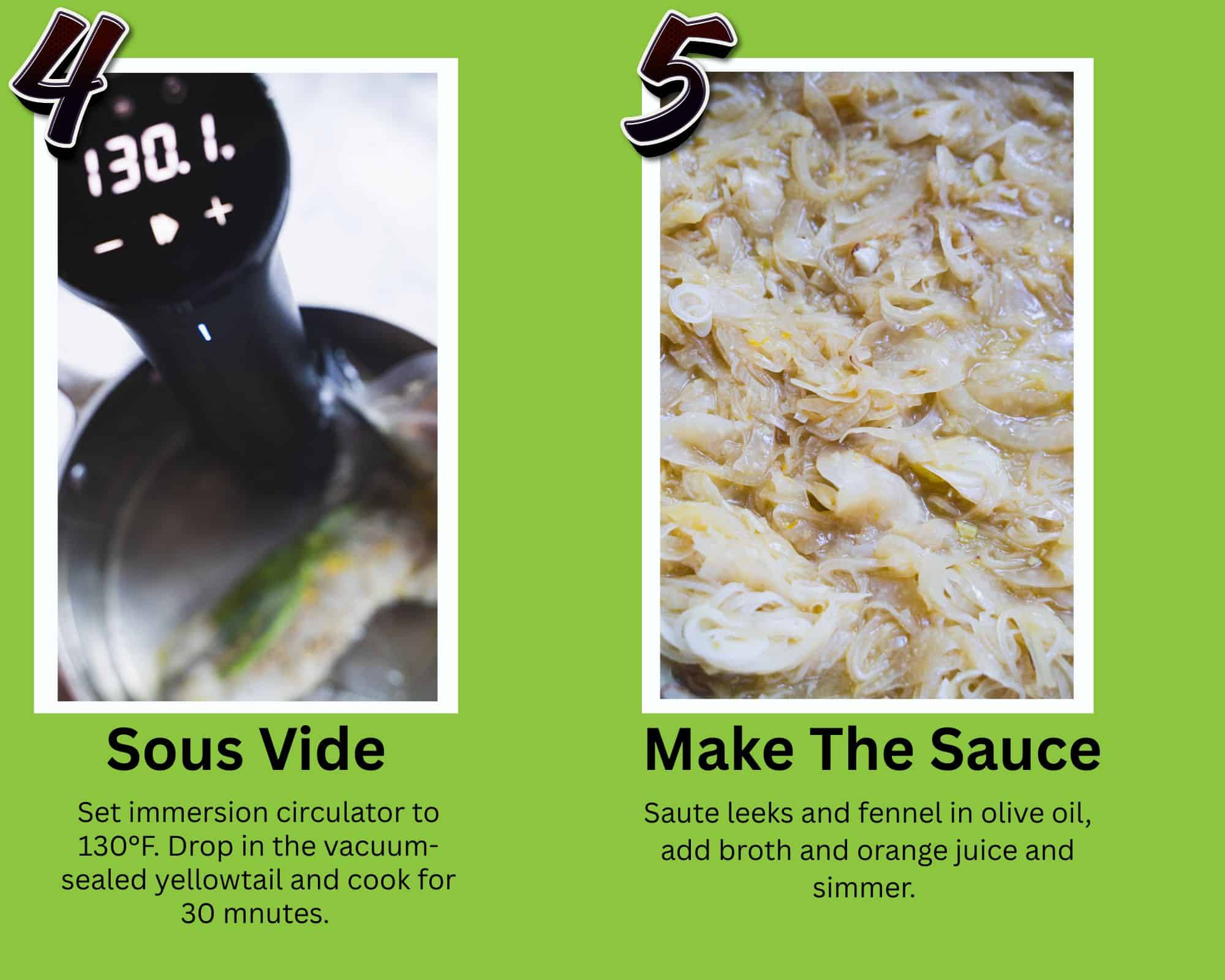
- Sous Vide the fish: Place the sealed bag in the bath and secure it with a clothespin or weight and cook for 30 minutes (45 minutes if frozen). (See photo 4)
- Prepare the white sauce with leeks and fennel (See photo 5). The ingredients and measurements are in the recipe card below.
- Serve: Transfer fish gently to a platter. Top with fennel-leek white sauce, garnish with toasted almonds and serve with sautéed broccoli rabe.
Water displacement method
If you don't have a vacuum sealer, no worries-the water displacement method works like a charm.
- Place your seasoned fish into a freezer-grade zipper-top bag. Add your fat (like olive oil or butter).
- Fill a large container with cool water (before heating it).
- Zip the bag almost all the way closed, leaving about an inch unsealed.
- Keeping the zipper above the water, slowly lower the bottom of the bag into the water. The pressure from the water will push the air out naturally.
- Direct the air toward the zipper, then once the bag is nearly fully submerged-with just the zipper above the surface-seal it completely.
That's it! You've now got a perfectly sealed bag, ready to sous vide.
Serving Suggestions
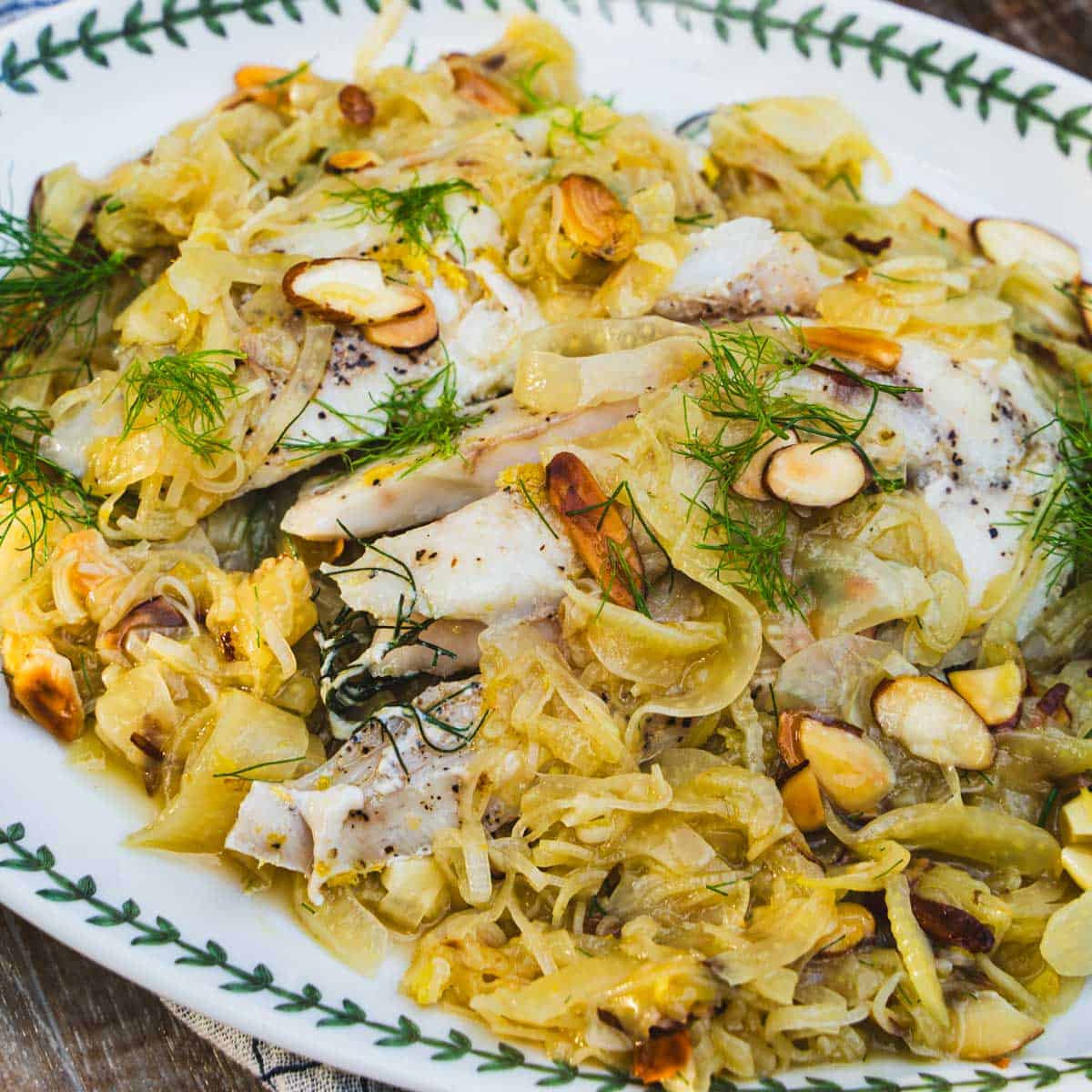
We serve our sous vide yellowtail with a velvety leek and fennel white sauce infused with garlic, orange zest, and almonds. The sauce is light, citrusy, and balanced. You will find the ingredients and instructions for this white sauce with leeks and fennel fish in the recipe card.
On the side: simple sautéed broccoli rabe with garlic and olive oil. You could also serve this with couscous or cooked grains if you're craving something heartier. I included this broccoli rabe side in the recipe card below.
Did you make this recipe?
Share your thoughts
Let me know what you thought. Leave a star rating and review in the comments below! And don't forget to subscribe to Our Table 4 2 for even more cooking for two recipes and tips.
Common questions about this recipe
You've got questions... I've got answers! If you have a question about this recipe that isn't answered below, feel free to leave it in the comments, and I'll jump in there to help you out.
Yes. Arrowroot is a gluten-free thickener ideal for delicate sauces-it gives a glossy finish and works well in acidic mixtures like orange juice. But cornstarch works in a pinch.
Absolutely. Just increase the cooking time to 45 minutes instead of 30.
130°F is ideal for flaky white fish. It gives you a cooked-through texture without it becoming too firm or tough.
Yellowtail is a flaky, white fish (not tuna). Yellowfin is a firm, meaty tuna. Yellowtail is lovely to eat as best fully cooked, while yellowfin can be enjoyed rare or seared.
Related
Looking for other fish recipes for two like this? Try these:


Sous Vide Yellowtail with Fennel & Leek White Sauce Recipe
Save This Recipe To Your Recipe Box
You can access your saved recipes on this device and generate a shopping list for recipes in your collections.
Ingredients
- ¼ cup olive oil , divided
- 2 6 to 8 - ounce yellowtail fillets, skin removed (or substitute flounder/salmon)
- ¼ teaspoon kosher salt
- ¼ teaspoon ground black pepper
- 1 ½ teaspoons garlic powder
- 1 cup fennel bulb thinly sliced
- 1 leek sliced
- 1 garlic clove thinly sliced
- ½ teaspoon orange zest
- 1 ½ cups low-sodium chicken broth
- ½ cup + 2 tablespoon orange juice
- 1 tablespoon cornstarch
- 2 tablespoons toasted sliced almonds
- 2 tablespoons fennel fronds minced
- ¼ cup olive oil
- 2 teaspoon thinly sliced garlic
- ½ lb broccoli rabe trimmed
Instructions
Season and Sous Vide Fish
- Season fillets with garlic powder, salt, and pepper. Place in vacuum-seal bag add 1 teaspoon olive oil, orange zest and fennel fond to the vacuum seal bag and seal with your vacuum sealer. If you don't have a vacuum sealer, use another air removal method.
- Set up your immersion circulator in your water bath container and fill the water bath with water to in between the minimum and maximum fill lines. Heat the water bath with the immersion circulator to 130 degrees F
- Add the sealed bag into water bath and secure with a clothes pin or weight. Cook for 30 minutes (45 minutes if frozen).
White sauce for fish
- While fish cooks, heat 1 Tablespoon olive oil in a skillet over medium-high heat. Add fennel and cook 4 min, stirring occasionally. Add leek, garlic, orange zest, cook until soft about 2-3 minutes. When soft, add broth and ½ cup orange juice. Turn down the heat and simmer for 5 minutes
- Stir in cornstarch slurry (1 tablespoon cornstarch + 1 tablespoon water). Simmer until thickened. Spoon the leek and fennel white sauce onto a platter.
- Remove the fish from the water bath and bag. Discard fond and transfer fish over vegetable sauce, squeeze remaining orange juice over top, garnish with fennel fronds and toasted almonds.
For broccoli rabe:
- Heat remaining oil in skillet over medium- high heat. Sauté garlic 30 seconds. Add broccoli rabe and sauté until tender, 5-6 minutes. Season with salt and pepper.
Notes
Skin On or Skin Off?
If using salmon in place of yellowtail, you might consider keeping the skin on. Sous vide salmon skin can be quite delicious if you sear it until crisp after cooking-think of it as salmon cracklings. But if you prefer your salmon skinless for any reason (say, if you're going to serve it simply poached, without searing), there's a much easier way to get rid of that skin than trying to cut it off before cooking: Just wait until after you've cooked it sous vide. The cooking process weakens the bond between skin and meat, making it very easy to peel it off gently with your fingers. Once the skin is removed, you can also very carefully flake off the dark brown flesh underneath if you'd like. There's no harm in eating it, but some people don't like the way it looks.Your Notes, Tips and Tricks
Nutrition
Nutritional information is only an estimate. The accuracy of the nutritional information for any recipe on this site is not guaranteed.

Now shipping!
my new cookbook is here!
Celebrate the joy of heirloom cooking with 130 recipes that reimagine family favorites for today's smaller table.


Leave a Reply